DJ Business Trends: What Working DJs Should Build for 2026

DJ work is still about taste, timing, and reading a room. The business around the performance is changing, though. Clients research on their phones, compare several options, and expect a clear path from first question to signed agreement. A DJ can sound excellent and still lose momentum when the website, proposal, contract, payment, and event details live in separate places.
Key takeaways
- A professional DJ website should explain your offer and make the next step obvious.
- Fast, consistent proposals and follow-up protect the attention you already earned.
- Booking details, payments, music preferences, and event tasks are easier to manage when they share one record.
- AI is most useful when it prepares options and drafts work while you keep creative and business control.
1. Your website is becoming the first sales conversation
A social profile can show a moment. Your website can explain the whole experience: the events you serve, the sound and production you bring, the places you work, and how a client can request a date. The strongest DJ sites answer those questions before a client has to send a message.
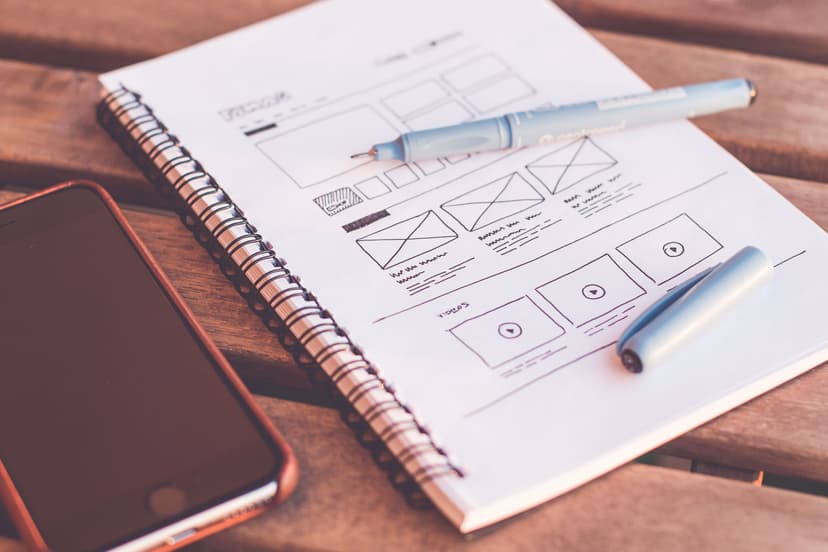
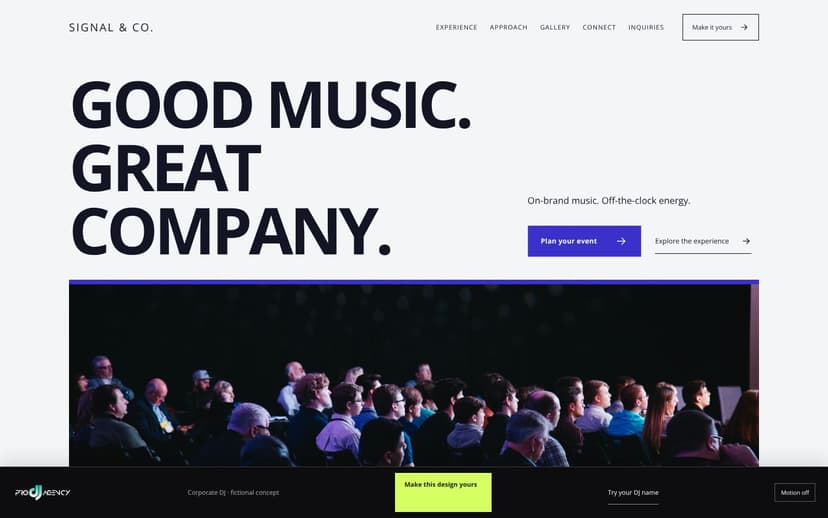
Use Website Studio to start from a polished direction, connect your real profile context, and review the layout on mobile, tablet, and desktop. Keep the copy specific to your service, market, and audience. A page that says exactly who you help is more useful than a page full of vague superlatives.
2. Speed matters after the inquiry
Once a client reaches out, the next job is clarity. Record the event date, location, guest profile, timing, services, and open questions in one place. Then send a proposal that reflects the conversation instead of starting from a blank document every time.
The Booking Engine is designed for that handoff. It keeps inquiry details connected to proposals, agreements, and payment steps so you can see what is waiting on you and what is waiting on the client.
3. AI should remove repetition, not remove your judgment
AI can help outline a proposal, suggest a playlist direction, summarize a client request, or prepare a first website draft. It should not invent testimonials, promise availability, or make a creative decision you have not reviewed. Treat every generated result as a draft with a review step.
ProDJ's AI tools are most useful when they work from your profile, services, event context, and preferences. That gives you a faster starting point while you remain the final editor.
4. The event is part of your marketing loop
After a successful night, make it easy for clients and guests to remember what happened and find you again. A branded memory page, a clear review request, and a follow-up message can turn a one-night performance into a future inquiry. Live Events helps keep the operational details and post-event experience connected to the work you already did.
What to build first
- Clarify your core services, locations, and ideal event types.
- Publish a focused website with one primary booking call to action.
- Standardize your inquiry, proposal, agreement, and payment steps.
- Track client preferences and follow-up dates instead of relying on memory.
- Review the event experience and capture the proof that helps the next client choose you.
These are practical systems, not trends for their own sake. They give you more time for music and make it easier for a good-fit client to say yes. Create your ProDJ account when you are ready to connect the workflow.
Ready to Level Up Your DJ Business?
Join thousands of professional DJs using ProDJ to automate their workflow, book more gigs, and deliver unforgettable performances.
Get Started Free